July 23, 2026
Navigating professional kitchen management requires an intimate understanding of ingredient handling, storage protocols, and waste management strategies. Fluid frying fats represent a critical yet misunderstood component in culinary environments.
Proper handling of these lipids impacts flavor profiles, operational safety, and environmental compliance parameters. Neglecting basic storage guidelines creates compounding structural liabilities that disrupt your daily commercial operations.
Utilizing a professional cooking oil disposal service simplifies your back-of-house logistics while keeping your kitchen infrastructure entirely clear of hazardous clogs. These specialized collection teams provide the essential hardware and transport vehicles necessary to manage used grease responsibly and legally.
Modern culinary establishments consume vast volumes of lipid products daily to satisfy high-volume customer demands for crispy, deep-fried menu items. Delegating the collection and recycling of these heavy spent materials to licensed specialists safeguards your municipal plumbing connection from catastrophic blockages.
Understanding the science behind lipid degradation empowers kitchen managers to make informed decisions regarding product shelf life. Implementing rigorous standards ensures long-term operational efficiency and a safe workplace for your entire staff.
Protect Product Quality Through Optimal Storage
Preserving fresh frying lipids requires careful protection from environmental catalysts like direct sunlight, ambient heat, and open oxygen exposure. Storing bulk ingredients near hot range lines accelerates oxidative rancidity, destroying flavors prematurely.
According to Southern Living, you should keep olive oil stored inside a chilled, dark pantry area, preferably between 57 and 70 degrees Fahrenheit. Maintaining these precise thermal boundaries protects the delicate molecular structure of premium culinary fats from rapid chemical breakdown and localized clouding.
Placing fresh lipid inventory inside a climate-controlled space prevents premature spoilage and extends natural ingredient utility. This proactive measure ensures that your frying mediums remain completely neutral and ready for high-volume usage.
Exposure to radiant indoor lighting can destabilize lipid molecules even if the surrounding room temperature remains comfortable. Kitchen managers should utilize opaque storage containers to shield sensitive ingredients from continuous light exposure.
Avoid Dangerous Downstream Plumbing Blockages
Pouring spent grease down commercial sink basins represents a highly destructive operational practice. As hot liquid fat cools inside wastewater pipes, it solidifies into dense, impenetrable blockages known as fatbergs.
Sourcing a professional cooking oil disposal service prevents these costly blockages from paralyzing your kitchen drain lines and causing foul backflows. Experienced collection crews extract your spent grease from dedicated holding tanks, bypassing your primary plumbing grid entirely.
Managing an unexpected plumbing backup requires expensive emergency rooter services and triggers immediate health department closures. The financial penalties associated with sewer contamination far exceed the investment required for routine waste collection.
Continuous grease infiltration damages local municipal water treatment machinery, forcing regional utility providers to enforce strict ordinances. Keeping your kitchen compliant with these mandates protects your enterprise from severe administrative fines.
Extend Useful Lifespan Through Diligent Filtration
Implementing a daily filtration routine removes carbonized food particles that continuously degrade your active frying medium. These microscopic food remnants lower the natural smoke point of the lipid, causing it to scorch rapidly.
Arranging a consistent cooking oil disposal service ensures that when your filtered medium finally reaches terminal degradation, it is collected without delay. Regular filtration prolongs product usability, maximizing your initial ingredient investment while maintaining crisp, golden results for every guest.
When kitchen personnel neglect filtration, the accumulated sediment scratches rapidly, releasing harmful free radicals into the kitchen air. This airborne grease residue accumulates on ventilation hoods, creating a severe fire hazard.
A well-regulated filtration program allows your kitchen to minimize raw ingredient expenses while delivering consistent, excellent flavor profiles. Training your staff to identify subtle changes helps you optimize the exact moment for product replacement.
Recognize Critical Signals for Immediate Extraction
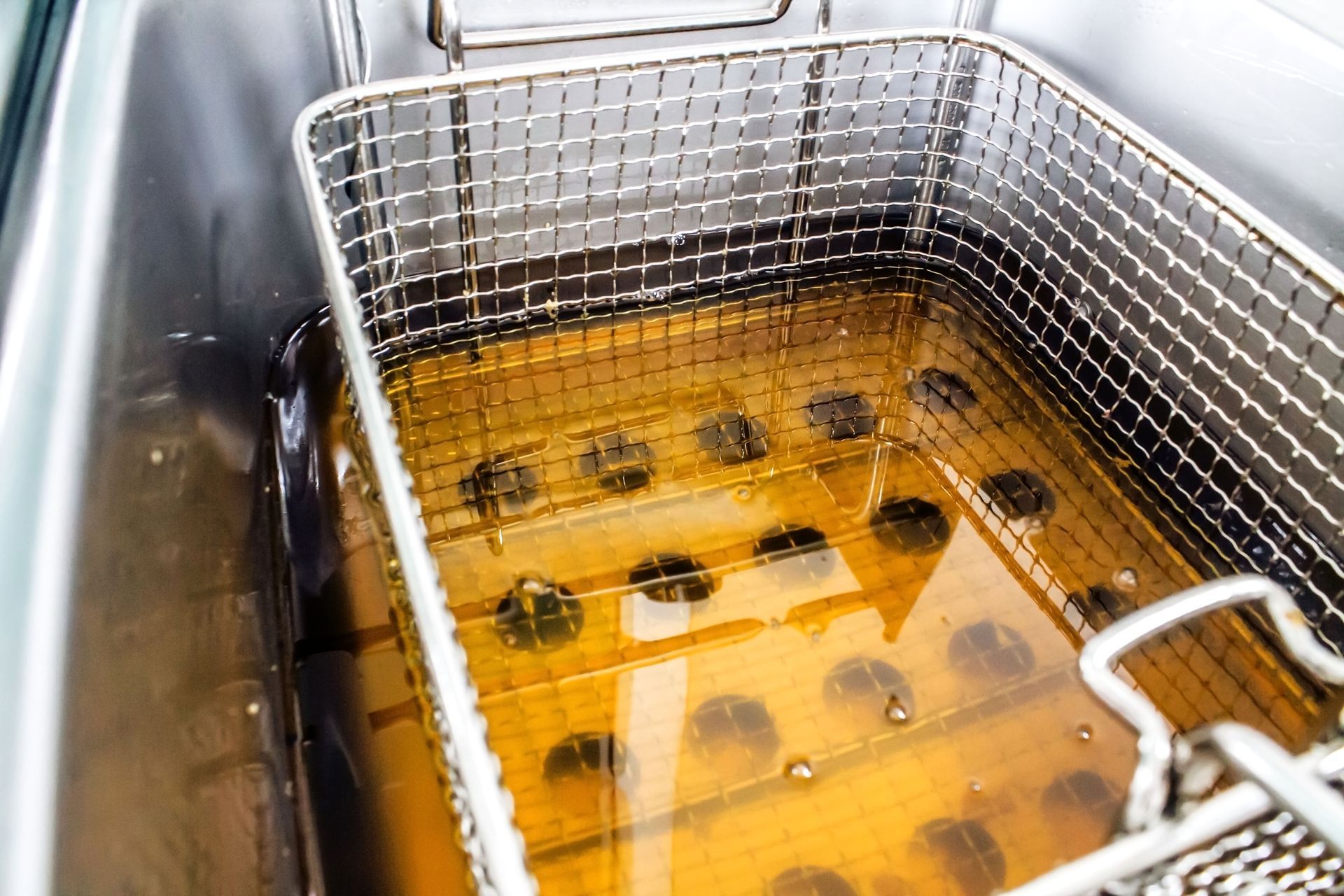
Frying mediums provide distinct physical warnings when they have become chemically unstable and require immediate replacement. A dark, muddy appearance accompanied by persistent surface foaming during standard cooking cycles indicates that the lipid polymers have broken down completely.
Scheduling a routine cooking oil disposal service guarantees that your kitchen always possesses ample storage capacity to discard these spent, foul-smelling materials safely. Using degraded grease produces soggy, oil-logged dishes that absorb excessive fat and alienate discerning restaurant patrons.
Another unmistakable indicator of product expiration is a sharp, acrid odor that irritates the eyes of your line cooks during busy shifts. When your frying medium begins to smoke at standard operational temperatures, it poses an immediate flash-fire hazard on your hot line.
Culinary leaders must establish clear, non-negotiable parameters for dumping spent fats rather than allowing staff to rely on subjective visual guesses. Implementing objective clarity test strips removes all uncertainty, ensuring that your food quality remains exceptionally high.
Maximize Kitchen Staff Operational Safety
Handling large volumes of boiling kitchen grease presents one of the most significant physical hazards to back-of-house personnel during closing shifts. Transporting open buckets of hot lipids across slippery kitchen tile often results in devastating slip accidents and severe thermal burns.
Integrating a professional cooking oil disposal service allows your staff to pump spent fats directly into secure, heavy-duty collection vats seamlessly. This automated transfer method completely eliminates manual lifting, shielding your workers from dangerous splashes and costly worker compensation liabilities.
Creating a secure, closed-loop waste stream promotes an organized workspace where team members can execute tasks with complete confidence and speed. Reducing workplace injuries fosters higher staff morale, lowers employee turnover, and maintains steady operational momentum throughout the year.
Our specialized collection assets include heavy steel containment bins equipped with secure locking mechanisms to prevent accidental spills or unauthorized access. This durable infrastructure keeps your exterior loading dock areas perfectly clean, professional, and free from unpleasant pest attractants.
Select Appropriate Collection Containment Hardware
The physical vessels utilized to collect spent commercial lipids must be constructed from heavy-gauge materials that withstand extreme thermal fluctuations without warping. Standard plastic storage bins or unlined drums can melt instantly upon contact with fresh fryer discard, causing catastrophic floor spills.
Partnering with a licensed cooking oil disposal service provides your business with specialized, heat-resistant containment hardware tailored to your layout footprint. These secure storage structures prevent rainwater infiltration, eliminating the structural risk of containment overflows during heavy seasonal storms.
- Industrial steel containment vats featuring secure, automated anti-spill valve connections.
- Heavy-duty rolling transfer carts designed to transport spent fats safely across slick floors.
- Integrated filtration storage pump systems that reduce direct human contact with hot liquids.
- Weatherproof exterior storage modules equipped with tamper-proof security padlocks.
Understand the Full Environmental Recycling Process
Discarded culinary lipids should never end their lifecycle inside local landfills where they decompose into dangerous greenhouse gases. Instead, specialized processing facilities purify the spent materials, converting them into clean-burning biofuels that significantly reduce global carbon emissions.
Contracting a certified cooking oil disposal service guarantees that your commercial kitchen waste is legally diverted into these advanced green energy initiatives. Your business actively supports regional sustainability programs, transforming a hazardous byproduct into a valuable commodity.
This sustainable manufacturing loop lowers public reliance on traditional fossil fuels, fostering long-term ecological balance across the state. Patrons increasingly appreciate supporting eco-conscious dining establishments that actively demonstrate a verified commitment to green operating practices.
Reclaiming your commercial kitchen space from messy, hazardous grease accumulation requires a strategic, professionally managed operational approach. Do not allow full grease traps or unmanaged waste bins to compromise your staff safety, food quality, and local environmental compliance standing.
Implementing a reliable
cooking oil disposal service protects your commercial plumbing network while optimizing your back-of-house workflow efficiency. Discover how customized collection schedules and heavy-duty containment hardware can streamline your facility operations by coordinating your service plan with First Texas Grease today.